Industry accounts for 26% of GDP and employs 22% of the total workforce. According to the World Bank, India's industrial manufacturing GDP output in 2015 was 6th largest in the world on current US dollar basis ($559 billion), and 9th largest on inflation adjusted constant 2005 US dollar basis ($197.1 billion). The Indian industrial sector underwent significant changes as a result of the economic liberalisation in India economic reforms of 1991, which removed import restrictions, brought in foreign competition, led to the privatisation of certain government owned public sector industries, liberalised the Foreign direct investment (FDI) regime, improved infrastructure and led to an expansion in the production of fast-moving consumer goods. Post-liberalisation, the Indian private sector was faced with increasing domestic as well as foreign competition, including the threat of cheaper Chinese imports. It has since handled the change by squeezing costs, revamping management, and relying on cheap labour and new technology. However, this has also reduced employment generation even by smaller manufacturers who earlier relied on relatively labour-intensive processes
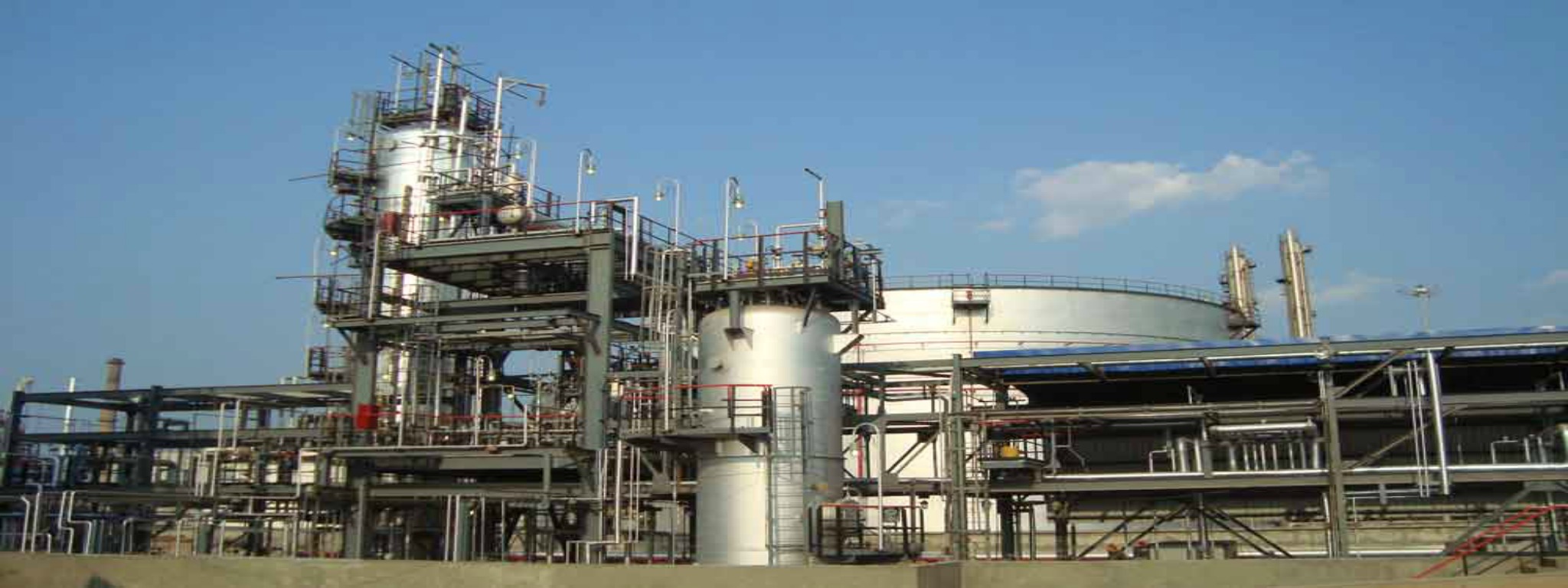
Petroleum products and chemicals are a major contributor to India's industrial GDP, and together they contribute over 34% of its export earnings. India hosts many oil refinery and petrochemical operations, including the world's largest refinery complex in Jamnagar that processes 1.24 million barrels of crude per day. By volume, the Indian chemical industry was the third largest producer in Asia, and it alone contributed 5% of its GDP. India is one of the top 5 world producers of agrochemicals, polymers and plastics, dyes and various organic and inorganic chemicals.Despite being a large producer and exporter of chemicals, India is a net importer of chemicals given its domestic demand for products.
The Indian pharmaceutical industry has grown in recent years to become a major manufacturer of health care products to the world. India produced about 8 per cent of the global pharmaceutical supply in 2011 by value, including over 60,000 generic brands of medicines sold around the world. It is one of the fastest-growing sub-sectors of its industry and a significant contributor of India's export earnings. The state of Gujarat has become a hub for the manufacture and export of pharmaceuticals and APIs. The industry is expected to double from its 2012 levels to US$55 billion by 2020, according to a McKinsey report.
|
Advertising Industry
|
Advertising is one of the key activities for potential business and is equally important as producing something using raw material, or as capital, manpower, planning, organizing etc. Publicising the products or services that the business offers to the targeted customers is called Advertising. | ||||
Indian 'agro' or 'agriculture' marks the beginning of 'civilized' or 'sedentary' society. Climate change and increase in population in the country during the Holocene Era (10,000 BC onwards) led to the evolution of agriculture. |
|||||
Indian Aluminium Industry was first established in the year 1808 and it took almost 46 years to make its production commercially viable. The research work took several years resulted in extracting the Aluminium from the ore. |
|||||
Indian automobile industry mainly focusses on servicing, dealership, financing and maintenance of vehicles. The Indian Automobile industry includes two-wheelers, trucks, cars, buses and three-wheelers which play a crucial role in growth of the Indian economy. |
|||||
Indian Aviation Industry has been one of the fastest-growing aviation industries in the world with private airlines accounting for more than 75 % of the sector of the domestic aviation market. |
|||||
Indian Banking Industry's growth has been more qualitative than quantitative which is expected to remain the same for the coming years.Indian Banking Industry originated in the first decade of 18th century as The General Bank of India came into existence in the year 1786.The India’s oldest bank which is in existence is the State Bank of India. |
|||||
Government of India set up the Department of Biotechnology (DBT) under the Ministry of Science and Technology in 1986 with the aim of enhancing the Biotech Industry in India. Since then DBT has produced one of the best scientists of the country. |
|||||
India Biscuits Industry seems to be the largest among all the food industries and has a turn over of around Rs.3000 crores.Indian subcontinent is known to be the second largest manufacturer of biscuits, the first being USA. |
|||||
India Cement Industry is the second largest cement producer in the world after China with a total capacity of 151.2 Million Tones (MT). Government of India has been giving immense boost to various infrastructure projects, housing facilities and road networks, that the cement industry in India is currently growing at an enviable pace. |
|||||
Indian Chocolate Industry as today it is dominated by two companies, bothmultinationals. The market leader is Cadbury with a lion's share of 70%. The company'sbrands like Five Star, Gems, Eclairs, Perk, Dairy Milk are leaders in their segments. |
|||||
Indian coir industry has been fortunate to get boost in the form of the ever increasing awareness about eco-protection. Coir, being a natural fibre which is environment-friendly is the fibre of the future. |
|||||
Construction usually is done or coordinated by general contractors, who specialize in one type of construction such as residential or commercial building. Cost structure of the construction industry is dominated by raw material cost and subcontracting cost. |
|||||
The Indian Copper Industry consisted of a single state-owned company and now the copper industry in India takes up about 3 % of the entire world market for copper. |
|||||
While the demand of beautifying substances called cosmetics are growing day by day, a large number of local as well as international manufacturers are gradually extend their ranges and products in different provinces of India. |
|||||
Indian Cottage industry is generally an unorganized sector and falls under the category of small scale industry. The industry produces consumable products through the use of conventional methods. |
|||||
The Indian Cotton Industry provides sustenance to million of farmers as also the workers involved right from processing to trading of cotton. The Indian textile industry is predominantly cotton based. |
|||||
India is the highest milk producer in the entire globe. India is well known as the ‘Oyster’ of the global dairy industry, with opportunities galore for the entrepreneurs globally. |
|||||