...
...
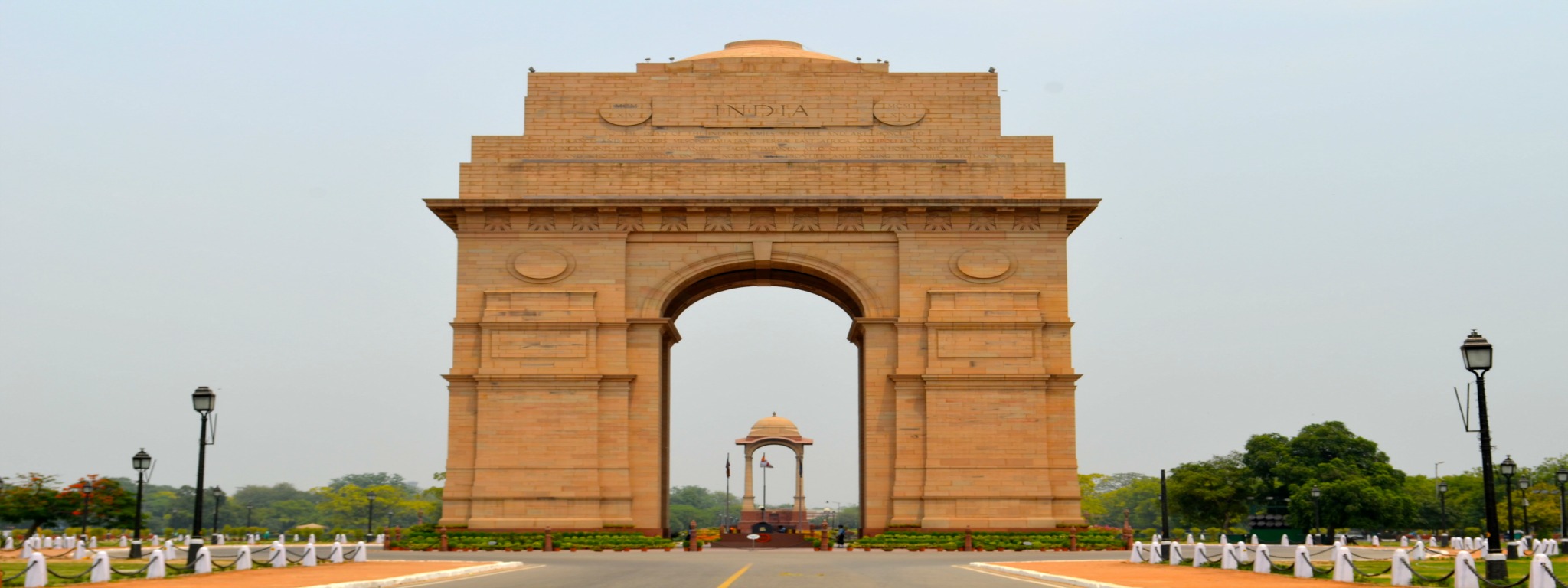
The India Gate situated in Delhi,was part of the work of the Imperial War Graves Commission (IWGC), which came into existence in December 1917 for building war graves and memorials to soldiers killed in the First World War [3] The foundation stone of the All-India War Memorial was laid on 10 February 1921, at 4:30 PM, by the visiting Duke of Connaught in a solemn soldierly ceremony attended by Officers and Men of the Indian Army, Imperial Service Troops, the Commander in Chief, and Chelmsford, the viceroy.[4] On the occasion, the viceroy said, "The stirring tales of individual heroism, will live for ever in the annals of this country", and that the memorial which was a tribute to the memory of heroes, "known and unknown" would inspire, future generations to endure hardships with similar fortitude and "no less valour".[4] The King, in his message, read out by the Duke said "On this spot, in the central vista of the Capital of India, there will stand a Memorial Archway, designed to keep" in the thoughts of future generations "the glorious sacrifice of the officers and men of the Indian Army who fought and fell". During the ceremony, the Deccan Horse, 3rd Sappers and Miners, 6th Jat Light Infantry, 34th Sikh Pioneers, 39th Garhwal Rifles, 59th Scinde Rifles (Frontier Force), 117th Mahrattas, and 5th Gurkha Rifles (Frontier Force), were honoured with title of " Royal " in recognition of the distinguished services and gallantry of the Indian Army during the Great War".[4] Ten years after the foundation stone laying ceremony, on February 12, 1931, the All India War Memorial was inaugurated by Viceroy Lord Irwin, who on the occasion said " those who after us shall look upon this monument may learn in pondering its purpose something of that sacrifice and service which the names upon its walls record." [1] In the decade between the laying of foundation stone of the War memorial and its inauguration, the rail-line was shifted to run along the Yamuna river, and the New Delhi Railway Station was opened in 1926.[5][6] The India gate, which is illuminated every evening, from 19:00 to 21:30, is a major tourist attraction. Motor cars, moved through India Gate, till it was closed to traffic. The Republic Day Parade starts from Rashtrapati Bhavan and passes around the India Gate.
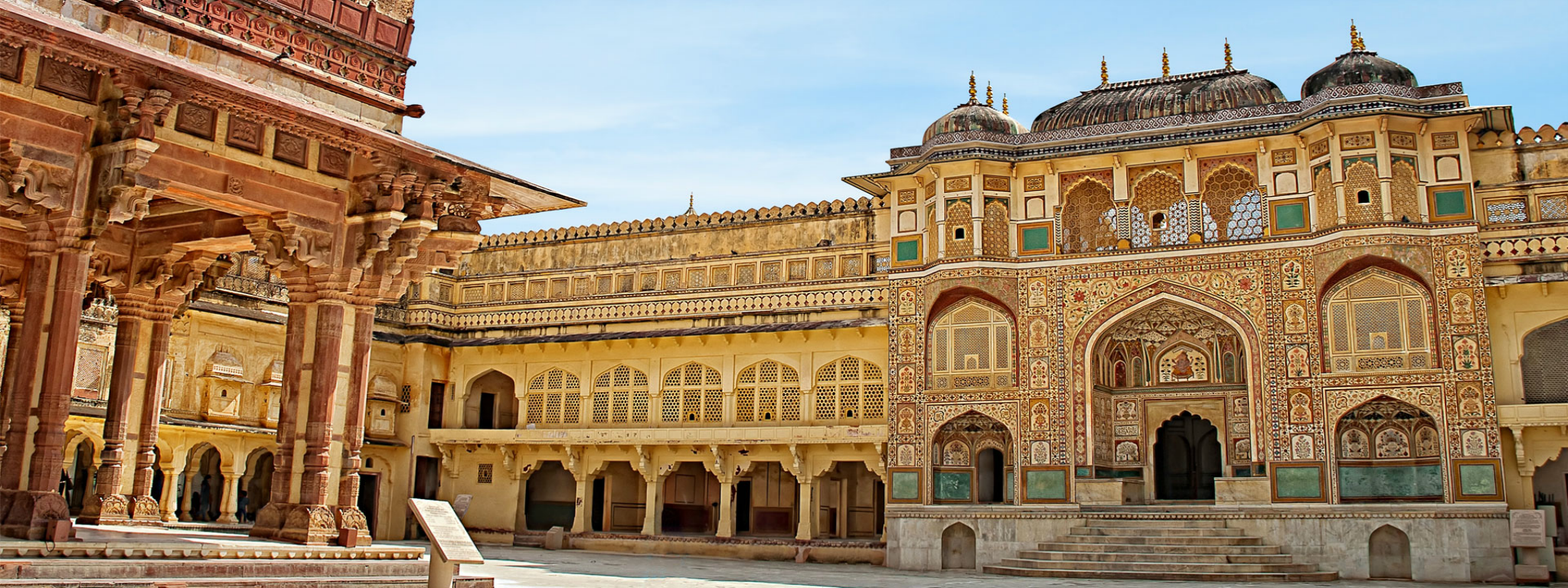
After several battles with Marathas, Jai Singh was keen on the security aspect of the city. Due to this reason, he focused on his scientific and cultural interests to make a brilliant city. Being, a lover of mathematics and science, Jai Singh sought advice from Vidyadhar Chakravarty, a Brahmin scholar of Bengal, to aid him design the city architecture. Vidyadhar referred the ancient Indian literature on astronomy, books of Ptolemy and Euclid, and discussed the plan with the King. With a strategic plan, the construction of the city started in 1727. It took around 4 years to complete the major palaces, roads and square. The city was built following the principles of Vastu Shastra. The city was divided into nine blocks, out of which two consist the state buildings and palaces, whereas the remaining seven blocks were allotted to the public. In order to ensure the security, huge fortification walls were made along with seven strong gates. According to that time, architecture of the town was very advanced and certainly the best in Indian subcontinent. In 1876, when Prince of Wales visited Jaipur, the whole city was painted pink to welcome him and after that Jaipur was titled ‘Pink City’. Still, the neat and broadly laid-out avenues, painted in pink provide a magical charm to the city. Jaipur is rich in its cultural and architectural beauty, which can be traced in the various historical and aesthetic places that reside in the city. In the 19th century the city grew rapidly and became prosperous; by 1900 it had a population of 160,000. The city's wide boulevards were paved and lit with gas. The city had several hospitals. Its chief industries were in metals and marble, fostered by a school of art founded in 1868. The city also had three colleges, including a Sanskrit college (1865) and a girls' school (1867) initiated under the reign of the enigmatic Maharaja Sawai Ram Singh II. There was also a wealthy and enterprising community of native bankers, particularly the Jains and the Marwaris.